

Social Media as a Brand System
Many teams treat social media like a daily task.
Post something. Respond to comments. Repeat tomorrow.
But after a few months, the pattern becomes familiar: the tone changes, visuals drift, and the message starts to feel inconsistent. The account is active, but the brand is unclear.
The issue is rarely effort.
The issue is structure.
The most effective social media branding doesn’t come from posting more. It comes from operating social media inside a brand system.
Why Most Social Media Feels Inconsistent
A marketing lead once described their company’s social channels this way:
“Every post looks fine on its own. But together, they don’t feel like us.”
That observation reveals a common problem. Social media often evolves post by post, instead of system by system.

Research supports this observation. Studies show that consistent social media communication significantly improves brand awareness, explaining over 71.9% of brand recognition variance in one Instagram-based study of SMEs.
When this happens, three things typically appear.
The voice shifts between posts
Different team members write captions.
Sometimes it sounds professional.
Other times it sounds playful or promotional.
Without a defined brand voice on social media, tone becomes situational instead of strategic.
Research from Sprout Social also shows that social media posts with a consistent brand voice generate about 23% more engagement compared with inconsistent messaging.
Marketing strategist Ann Handley, a widely cited authority in content marketing, argues that brand voice consistency helps audiences “recognize the brand behind the content before they even see the logo.”.
Content ideas come from trends
Trending audio. Viral formats. Industry memes.
While these can work occasionally, relying on trends means the brand reacts to the platform instead of guiding the conversation.
Content strategy research shows that effective social media programs rely on content pillars, structured themes that guide messaging and ensure alignment with brand identity.
Without such frameworks, content becomes reactive rather than strategic.
Publishing becomes exhausting
Without structure, every post requires a fresh idea, new design direction, and new messaging.
The team spends more time deciding what to post than actually creating meaningful content.
According to branding research, only 25% of companies actively enforce their brand guidelines, even though most have them documented.
The result is predictable: fragmented communication and brand fatigue within marketing teams.
Consistency in social media rarely comes from stricter posting schedules.
It comes from clear systems that guide what the brand says, how it looks, and why it exists on the platform.
What a Social Media Brand System Looks Like
A brand identity system turns social media from a stream of posts into a coherent narrative.
Instead of asking “What should we post today?”, the team asks:
“How does this reinforce what our brand stands for?”
A strong social media system usually has three layers.
1. A defined brand voice on social media
Most brands already have a tone of voice document.
But social platforms introduce new dynamics: speed, conversation, and personality.

A practical brand voice on social media answers questions like:
- How conversational should captions be?
- When is humor appropriate?
- What words or phrases reflect the brand’s identity?
For example:
A financial advisory brand may prioritize clarity and calm authority, while a lifestyle brand may prioritize energy and optimism.
Marketing analysts also note that consistent messaging across departments increases consumer loyalty by 79%, reinforcing the value of unified communication.
The goal is not rigidity.
The goal is recognizability.
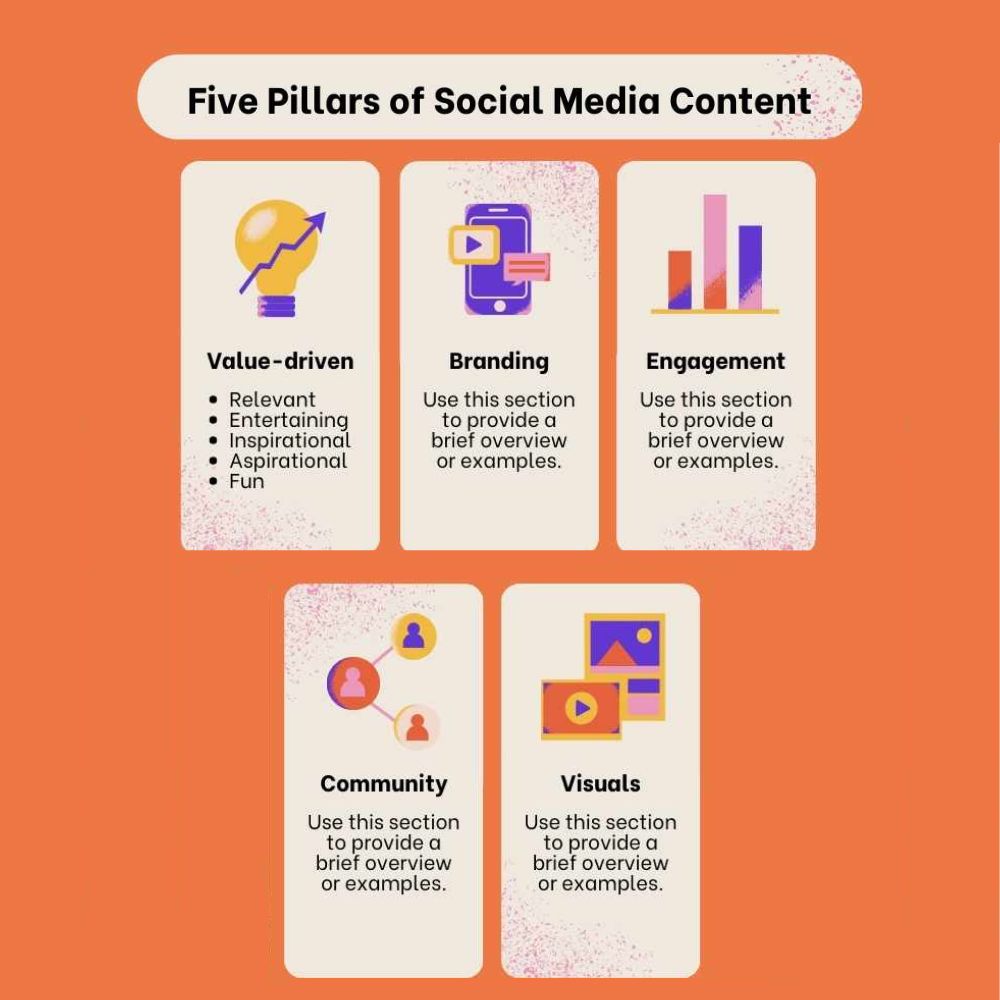
2. Structured content pillars
Content pillars act as repeatable storytelling lanes.
Instead of random posts, the brand publishes around consistent themes.
For example:
Education
Explaining industry insights and practical advice.
Behind the brand
Showing how the company works or thinks.
Customer impact
Stories of real outcomes and experiences.
Academic research on social media content planning shows that content pillars function as thematic frameworks that ensure message consistency and audience relevance.
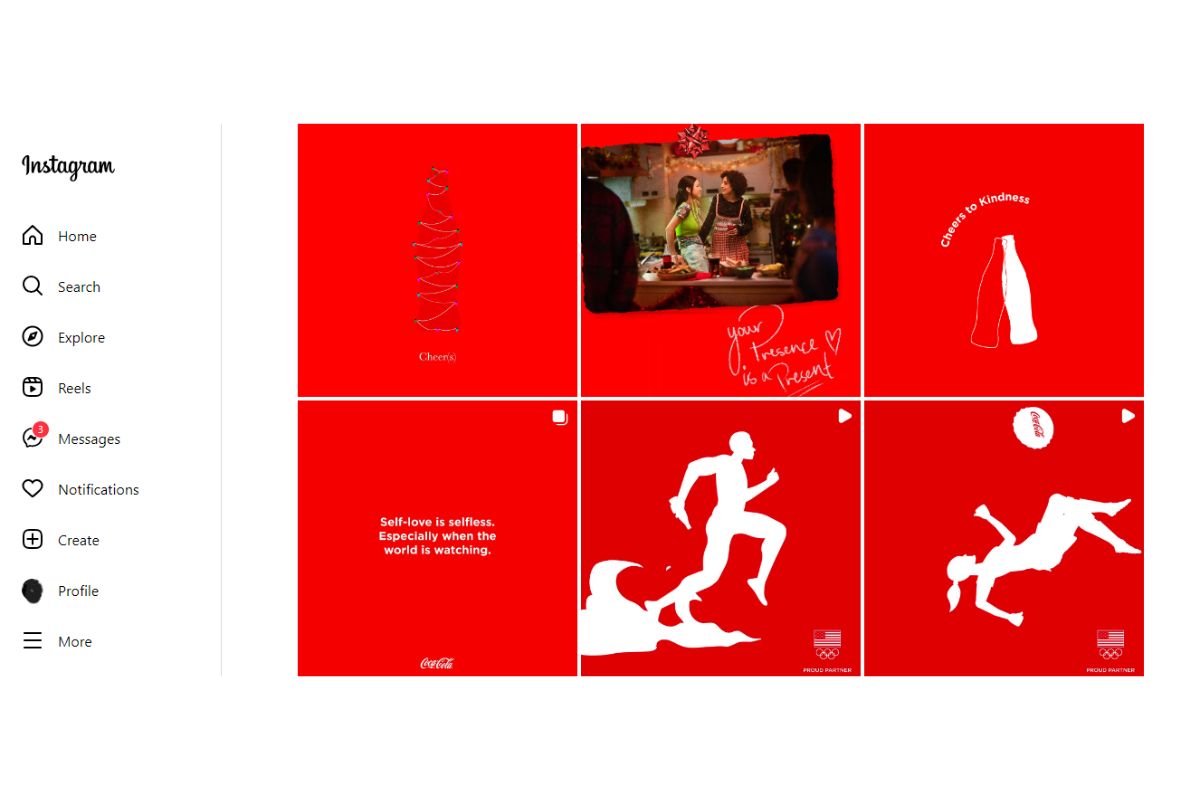
3. Visual continuity
Social feeds are visual environments.
If each post uses different colors, layouts, or photography styles, the brand becomes difficult to recognize.
A controlled visual system defines:
- Typography hierarchy
- Graphic templates
- Image styles
- Layout rules
Studies on visual identity show that consistent visual branding improves brand recognition, reputation, and credibility among social media users.
Some marketing reports estimate that consistent visual branding can increase brand recognition by up to 80%.
When voice, pillars, and visuals work together, social media begins to behave less like a timeline, and more like a living brand environment.
How Brand Systems Improve Social Media Performance
Many organizations assume systems limit creativity.
In practice, they usually unlock it.
A structured approach to social media branding improves three key outcomes.
Recognition
People rarely remember individual posts.
They remember patterns.
Brands with consistent presentation across platforms enjoy up to 33% higher brand recall, according to branding analytics research.
Trust
Brands that appear inconsistent often feel unreliable.
A stable presence signals clarity and competence.
Marketing experts writing in Forbes Communications Council emphasize that branding consistency increases trust, recognition, and long-term customer loyalty.
Efficiency
When content systems are defined, teams stop starting from zero.
Design templates exist.
Caption frameworks exist.
Content pillars guide ideation.
Consistent branding has also been linked to measurable business outcomes. Research suggests companies that maintain consistent brand presentation across channels can see revenue increases between 10% and 20%.
Turning Social Media Into a Brand System
Building a system doesn’t require reinventing your entire strategy.
It starts with a few practical steps.
Step 1: Clarify the brand narrative
Before creating content pillars, define the central message the brand wants to reinforce.
What should people understand about the brand after following its social channels for six months?
Step 2: Create repeatable content categories
Choose three to five themes that support the brand narrative.
These become the foundation of your content systems.
Step 3: Document the social voice
Define tone rules, writing style, and language guidelines.
This ensures the brand voice on social media remains consistent even when multiple team members create content.
Step 4: Design visual templates
Develop layout systems that make posts recognizable while remaining flexible for different topics.
Several global brands demonstrate how social media systems create long-term growth.
For example, HubSpot organizes its social presence around consistent educational content pillars, marketing education, industry insights, and product guidance, creating a recognizable knowledge-driven brand voice.
Similarly, many SaaS companies now treat social media as content engines, publishing structured educational posts that generate organic traffic and brand authority over time.
When social media becomes a system, posting stops feeling reactive.
Instead, every piece of content becomes another small reinforcement of the brand story.
The Future of Social Media Branding
Social platforms change constantly.
Algorithms shift. Formats evolve. New networks appear.
But one principle remains stable:
Brands that treat social media as infrastructure, not entertainment, tend to build stronger recognition over time.
Because audiences do not follow accounts simply for content.
They follow them for meaning, perspective, and consistency.
A brand system provides all three.
Frequently Asked Questions
What is social media branding?
Social media branding is the strategic use of social platforms to reinforce a company’s identity, voice, and values while maintaining consistent messaging across channels.
Why is brand voice important on social media?
A consistent brand voice helps audiences recognize the brand instantly and increases engagement. Research suggests voice consistency can increase social engagement rates by more than 20%.
What are content systems in social media marketing?
Content systems are structured frameworks that guide publishing themes, formats, and messaging so that social media content remains aligned with brand strategy.
How many content pillars should a brand have?
Most brands operate effectively with three to five content pillars, which create variety while maintaining clarity.
Can small teams implement a social media brand system?
Yes. In fact, smaller teams often benefit most because systems reduce planning time and simplify content production.
The Real Takeaway
If your social channels feel active but inconsistent, the issue may not be content volume.
It may be structure.
Social media performs best when it operates inside a clear brand system, where voice, visuals, and content reinforce the same meaning every time your audience sees you.
At Adessi, we help organizations design those systems, turning scattered posts into a coherent social presence that builds recognition, trust, and long-term brand equity.
See how our Digital Branding Services help transform social media into a structured brand asset, or start a conversation with our team about building a system that makes every post reinforce your brand.