

Recognizing When It’s Time To Rebrand
A company’s brand is its most valuable intangible asset. However, the identity that helped launch your business may eventually become the ceiling that limits its future.
Many organizations mistakenly view a rebrand as a purely aesthetic exercise, a quick way to update a logo or modernize a color palette. In reality, modern rebranding is a foundational business strategy. It requires a significant investment of time and resources, meaning it should only be undertaken to solve specific growth challenges.
According to a comprehensive B2B branding report by UpCity, 51% of businesses that undergo a rebrand do so because their old branding no longer reflects their current business model. As we outlined in our guide on how strategic narratives build brands people trust , your external story must match your internal reality. When those two realities are absent, trust erodes.
So, how do marketing leaders and founders know when a simple campaign isn’t enough? Here are four verifiable business indicators that signal it is time to rebrand.
1. You Have Outgrown Your Original Target Market
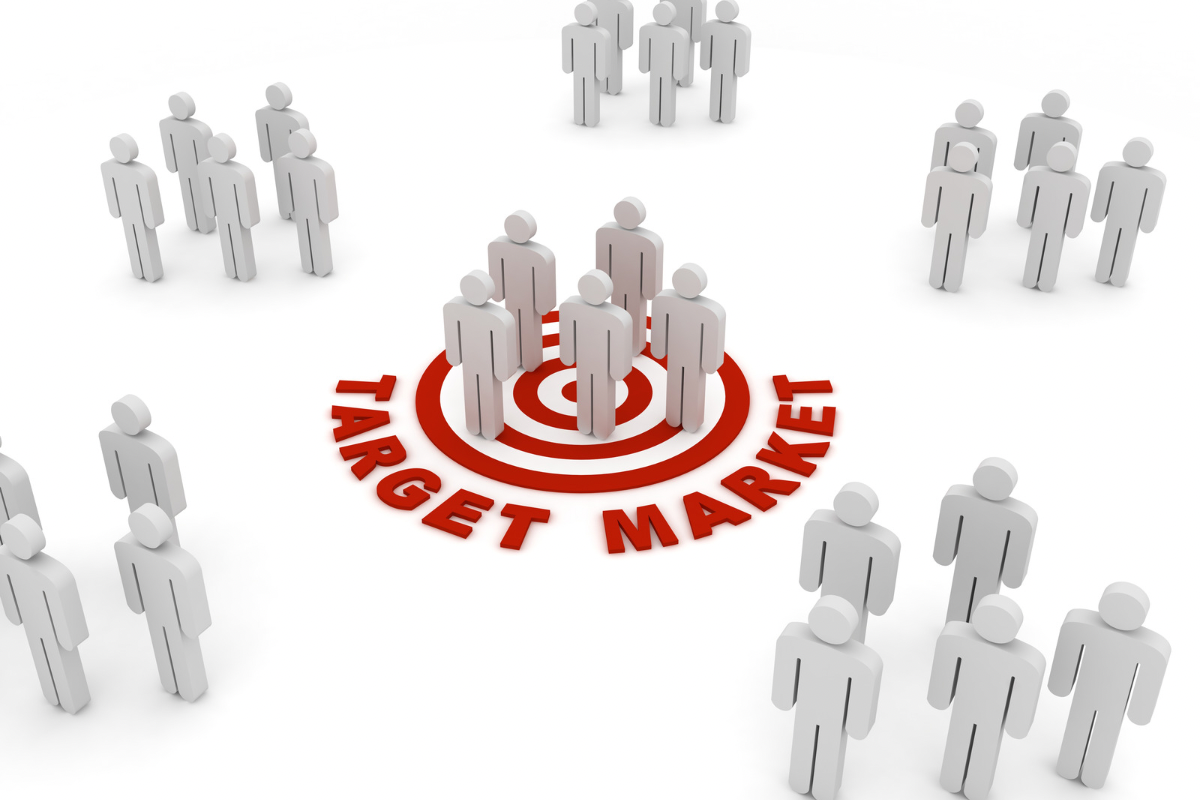
Businesses naturally pivot. The demographic or industry segment you targeted during your first few years of operation is rarely the exact same market that will drive your next massive phase of company growth.
Perhaps you started as a B2C product but realized your most lucrative revenue stream is actually B2B enterprise sales. Or, maybe your core customer base is aging, and you need to capture a younger demographic to sustain long-term market share.
If your current messaging and visual identity do not resonate with your most profitable prospects, your brand is acting as a barrier to sales. A strategic rebrand actively realigns your visual and verbal identity with your current ideal customer profile.
2. Your Product or Service Offering Has Expanded

Many successful companies start by doing one thing exceptionally well. Over time, that single product often expands into an entire ecosystem of offerings.
If your brand name, core positioning, or visual identity is tied too literally to your original product, it will confuse potential customers about what you actually do today. For example, if a company called “Global Accounting Software” expands into comprehensive HR management and legal compliance, the original name limits their perceived capabilities.
A shifted business strategy often requires a unified brand architecture that accurately groups everything the company now offers.
3. You Suffer from Industry “Blandification”
In maturing industries, it is common for competitors to gradually adopt similar branding conventions. Over time, companies begin to use the same industry jargon, adopt similar corporate blue color palettes, and make the exact same promises to the consumer.
Marketing author and thought leader Seth Godin famously defined a brand as “the set of expectations, memories, stories and relationships that, taken together, account for a consumer’s decision to choose one product or service over another.”
If you look and sound identical to four other companies in your sector, you lack the distinct stories and relationships Godin describes. This lack of differentiation forces your sales team to compete primarily on price rather than unique value. A brand refresh helps you reclaim your distinct market positioning and forces leadership to redefine the company’s core differentiators.
4. The Market Perception is Outdated

Sometimes, the internal culture of a company evolves rapidly, but public perception lags five years behind. You might have modernized your technology, adopted sustainable practices, and hired a cutting-edge team, but if the market still views you as a “legacy” or “old-school” option, you will lose talent and customers to newer startups.
In this scenario, a rebrand is a powerful signaling mechanism. It tells the market, your partners, and your employees that a fundamental evolution has taken place.
Is It Time for Your Next Phase of Growth?
Ultimately, rebranding is a deliberate tool designed to solve specific growth problems. If your current brand no longer aligns with the internal reality of your company, it is time to begin the strategic work of redefining it.
Whether you need a subtle visual refresh to modernize your assets or a complete, systemic rebrand to shift public perception, our team at Adessi can help. Explore our Brand Strategy and Identity Services to see how we align your external brand with your core business strategy.