

Designing for Brand Recognition, Not Trends
Every year, brands change their logo. New colors. New fonts. New look.
Six months later, customers barely remember the old one or the new one.
The problem isn’t creativity. It’s confusion.
If your brand keeps evolving to match trends, you may be eroding the one thing that actually grows businesses: recognition.
This article explores why brand recognition design outperforms trend-driven visuals, and how to build a visual identity strategy that compounds over time.
Brand Recognition Design
Brand recognition design is not about what looks fresh this year.
It’s about what will still be identifiable five years from now.
Recognition is memory. Memory drives trust. Trust drives choice.
Trends chase attention. Recognition builds recall.
And recall is what wins in crowded markets.
Why Trend-Led Design Weakens Brands
Trends are loud. Algorithms reward novelty. Designers want relevance.
But businesses need consistency.
When your visual identity strategy shifts every few years, three things happen:
1. Customer Memory Resets
The brain builds shortcuts.
When colors, typography, and visual systems stay consistent, customers don’t have to think.
When they change? The shortcut disappears.
Research on customer-based brand equity explains this mechanism: brand knowledge (familiarity, associations) alters consumer responses to marketing, the very structure recognition design is trying to strengthen.
2. Internal Teams Lose Alignment
Every redesign restarts guidelines, assets, templates, and campaigns.
Sales decks shift. Packaging changes. Social visuals pivot.
Time and budget go into adaptation instead of growth.
Data supports the financial case: studies tracking brand consistency show companies that maintain consistent brand presentation can see revenue uplifts, broadly reported figures range from ~23% (earlier work) to ~33% revenue increases in later studies. These numbers come from marketing research and industry reports that measured the compounded effect of consistent presentation across touchpoints.
3. You Signal Instability
Frequent visual shifts suggest strategic uncertainty.
Even if your product is solid, inconsistency can quietly erode perception.
Trust research shows brands are judged for competence and ethics, and inconsistency chips away at perceived integrity. The Edelman Trust Barometer links trust to brand behavior and clarity, which consistency supports.
Recognition compounds. Trends expire.

Recognition Beats Novelty in Real Markets
Think about brands you recognize instantly.
They don’t change dramatically every year.
They refine, not reinvent.
Consider:
Their systems evolve carefully. Core elements remain stable: logo structure, color logic, typographic rhythm. That’s timeless branding.
Industry analysis and brand histories show these brands balance refinement with preservation, a pattern widely cited in branding literature and case studies.
They understand something simple: familiarity lowers friction.
When a founder says, “Our brand keeps changing and losing identity,” the issue isn’t design skill. It’s direction.
What Strong Brand Recognition Design Actually Looks Like
Recognition-driven design follows principles, not moods.
1. A Stable Core
Your primary logo, color palette, typography system, and layout grid must anchor everything.
These elements shouldn’t shift unless the strategy shifts.
Expert voices in branding emphasize this: Marty Neumeier argues that brand is a customer’s “gut feeling” and that design must bridge strategy and perception; consistency is the bridge. Simon Sinek similarly stresses that consistent behavior and clarity of purpose sustain trust.
2. A Defined Visual Hierarchy
Consistency in spacing, iconography, imagery style, and motion creates predictability.
Predictability builds cognitive ease.
Cognitive ease builds preference.
Recent academic work also shows how the figurativeness and clarity of logos influence cognitive responses; logo design choices thus matter for recognition and ease of processing.
3. Flexible Systems, Not Fixed Templates
Timeless branding doesn’t mean rigidity.
It means building systems that adapt without losing identity.
Think modular, not seasonal.

The Business Case for Recognition Over Trends
This isn’t aesthetic preference.
It’s financial logic.
Reduced Redesign Cycles
Trend-led brands rebrand every few years.
Recognition-led brands refine incrementally.
Fewer overhauls. Lower costs. Stronger equity.
Industry reports quantify the value of consistent presentation: the “State of Brand Consistency” reporting (industry/regional surveys) found materially higher revenue outcomes for companies that maintain consistent branding across channels.
Stronger Recall in Advertising
When visuals stay consistent, marketing works harder for you.
Each campaign builds on the last instead of starting from zero.
If you’re investing in paid media, content marketing, or digital campaigns, recognition multiplies impact.
(For more on aligning design with digital growth, read our article on aligning brand structure with UX design strategy.)
Clearer Brand Positioning
When visuals stop shifting, messaging becomes sharper.
Brand clarity increases.
Audience confusion decreases.
And that’s when growth stabilizes.
Brands grow by being recognizable, not fashionable.
Case Studies & Data
Coca-Cola: evolution, not reinvention
Coca-Cola’s wordmark and core ribbon/bottle cues have been refined, not replaced, for over a century; researchers and brand analysts cite this as a core source of its enduring recognizability.
Apple: system-first identity
Apple’s visual identity has evolved (hardware silhouettes, packaging, product UI), but the core visual economy (clean grid, restrained palette, consistent product framing) keeps recall high and reduces the need for disruptive redesign. Industry rankings repeatedly note Apple’s brand value, illustrating the business payoff for stable design systems.
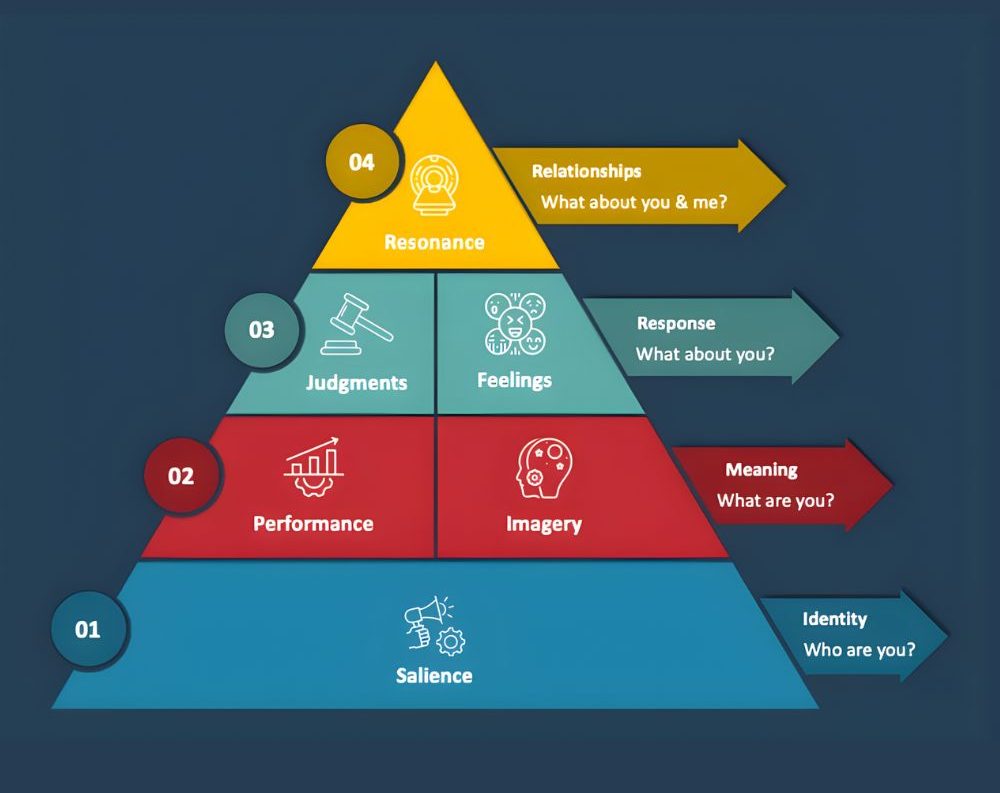
Industry studies show consistent branding correlates with material revenue uplift (reported increases in the 23–33% range across multiple reports), and academic frameworks (Keller’s customer-based brand equity) explain why recognition shifts consumer response.
How to Audit Your Current Visual Identity Strategy
If you’re unsure whether you’re building recognition or chasing relevance, ask:
- Have we changed our logo or color system in the past three years?
- Do our social posts look interchangeable with competitors?
- Could someone recognize our brand from layout alone, without a logo?
If the answer is mostly no, your design strategy may need re-centering.
A structured brand audit often reveals fragmentation across platforms, especially between website, social, and print.
If you haven’t formalized your visual identity, start with our approach to brand strategy before touching design assets.
Frequently Asked Questions
- What is brand recognition design?
Brand recognition design is a long-term visual approach focused on consistency, memorability, and recall rather than trend adoption. It strengthens brand equity over time.
- Is timeless branding boring?
No. Timeless branding prioritizes clarity and consistency. Creativity lives within the system, not outside it.
- How often should a brand redesign?
Major redesigns should follow strategic shifts, not aesthetic fatigue. Most brands benefit from refinement rather than reinvention. Case histories from major brands support long cycles of incremental change.
- Can startups afford long-term design thinking?
Startups benefit most. Early consistency accelerates recognition and prevents expensive future overhauls. Industry surveys show consistent presentation correlates to higher growth metrics.
- How does visual identity strategy affect revenue?
Consistent visuals increase recall, improve ad performance, reduce rework, and build trust, all of which influence purchasing decisions. See the revenue-impact studies cited above.
In Conclusion
If your brand feels visually inconsistent or keeps shifting direction, the solution isn’t another redesign.
It’s a clearer system.
Explore how our brand strategy and visual identity services build recognition that compounds, so every campaign strengthens memory instead of resetting it.
Because recognition isn’t built in a launch.
It’s built in repetition.