

Community-Driven Digital Branding
For a long time, the digital marketing playbook was simply to buy ads, interrupt people’s scrolling, and hope they click but that playbook is getting exhausting and expensive. Ad costs are rising, algorithms are increasingly unpredictable, and consumers have developed a severe allergy to traditional sales pitches.
If your entire digital strategy relies on just telling people to buy, you are building an audience. But if you want to build a brand that lasts, you have to build a community.
This is the shift toward community-driven branding. It is the realization that the most powerful marketing channel isn’t your ad account but your customers talking to each other.
In this article, we will see the difference between an audience and a community, why it is the ultimate driver of digital brand loyalty, and how you can build one in 2026.
Audience vs. Community: What’s the Difference?

To understand community-driven branding, you have to separate two concepts that marketers often mix up.
An audience is a one-way street. You speak, and they listen. You post a video, and they watch it. The relationship is entirely dependent on the brand generating content. If the brand stops talking, the audience stops existing.
Brand communities are a multi-way street. You speak to them, they speak to you, and most importantly they speak to each other. The brand isn’t the sole entertainer; it is the facilitator.
Think about the productivity software, Notion. Notion didn’t become a massive success just because of traditional ads. They built a passionate community. Users started creating their own templates, sharing them on Reddit, making YouTube tutorials, and answering each other’s questions. Notion simply facilitated and celebrated them. The community became the brand’s loudest marketing engine.
Why Community Drives Digital Brand Loyalty
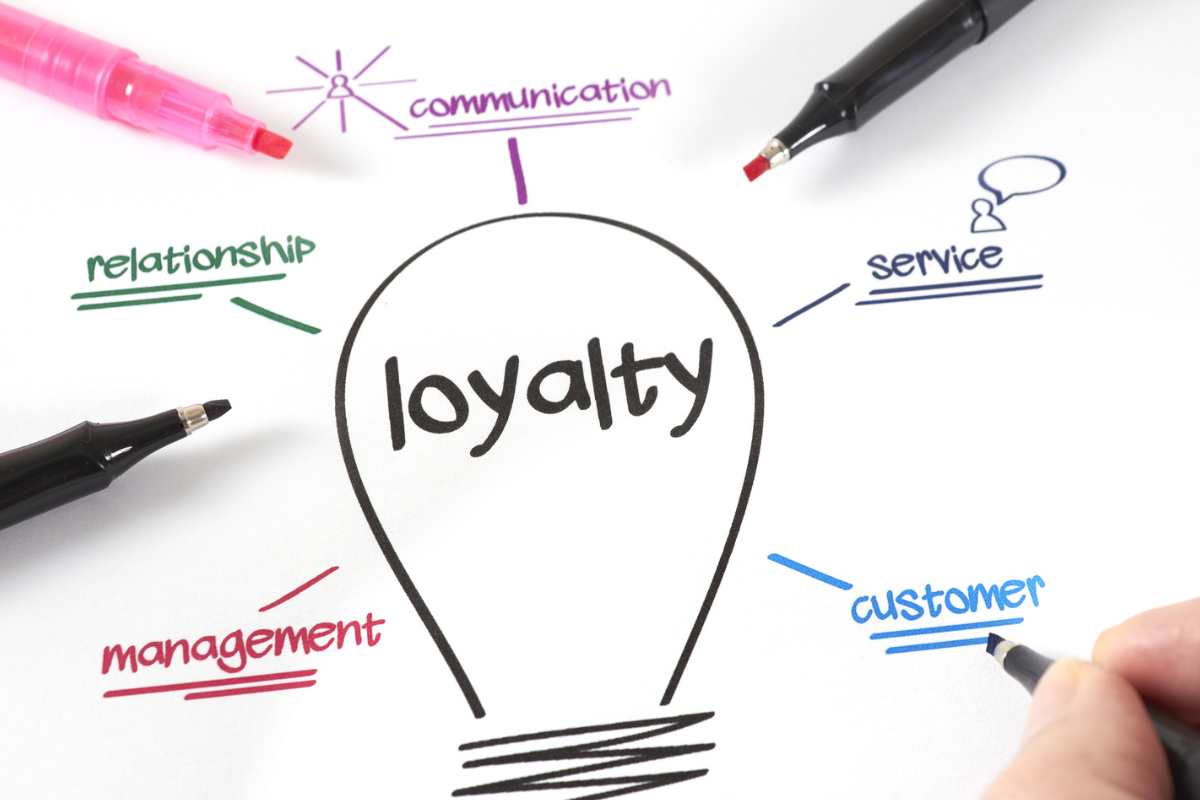
Building a community is a financial advantage. When people feel a sense of belonging, their buying behavior completely changes.
A comprehensive report by Sprout Social found that 76% of consumers will choose to buy from a brand they feel connected to over a competitor. Furthermore, the Edelman Trust Barometer consistently shows that people trust “a person like themselves” far more than they trust CEOs or corporate advertisements.
When you engage in community-driven branding, you unlock three major business advantages:
- Higher Retention: It is easy to abandon a software tool or a clothing brand. It is much harder to abandon a group of friends or peers.
- Lower Customer Acquisition Cost (CAC): Passionate communities generate authentic word-of-mouth, which acts as a free, highly-converting acquisition channel.
- Better Feedback Loops: You don’t have to guess what your market wants when your best customers are actively discussing it in your comments or forums.
How to Build a Community-Driven Brand

You cannot force a community into existence, but you can engineer the environment for one to grow. Here is how.
1. Shift from Broadcasting to Facilitating
As we explored in the article, Digital Branding: Building brands that win online, the biggest mistake companies make is “posting and ghosting.”
If you want a community, stop using social media purely as a distribution channel for your press releases and start asking the right questions. Highlight user-generated content. If someone leaves a thoughtful comment, reply in a way that invites other users to chime in. You have to prove that there is a human behind the logo who actually wants to converse.
2. Give Them a Shared Identity
People don’t join communities to talk about your product features. They join to express something about their own identity. To do this effectively, you have to know what your audience actually cares about deeply.
This is where Turning Customer Data Into Clear Messaging becomes critical. You have to listen to the exact language your best customers use. Do they view themselves as underdogs? Innovators? Rebels?
Suttle Motors didn’t build a community around “fierce formula 1 car lovers.” They built it around the shared identity of the dedicated, everyday family oriented car owner. Give your community a flag to fly, and they will gather around it.
3. Reward Contribution, Not Just Transactions
Traditional loyalty programs reward people for spending money (e.g., “Buy 10 coffees, get 1 free”). That creates transactional loyalty, but not digital brand loyalty.
Community-driven branding rewards contribution. When a user helps another user in your comment section, pin their comment. When someone creates a unique use-case for your product, feature them in your newsletter. When you validate the people who contribute to the ecosystem, you signal to everyone else that their voice actually matters to your brand.
Every one of these small interactions acts as a signal, a concept we dive deeper into in Digital Touchpoints as Brand Signals.
In Summary,
A brand that relies solely on paid ads is renting its audience. The moment you stop paying, the attention vanishes.
A brand that invests in community-driven branding is building equity. By shifting your focus from acquiring eyeballs to facilitating connections, you create an ecosystem that grows itself, protects itself, and advocates for itself.
It takes time, patience, and a willingness to let your customers help steer the ship. But in a digital world where attention is fleeting and trust is low, a genuine community is the ultimate competitive advantage.
Ready to start building? Adessi helps companies design the digital ecosystems, messaging, and operational strategies required to turn passive audiences into passionate advocates. Learn more about our Digital Marketing and Branding Services and let’s build a brand people actually want to belong to.