

Digital Branding: Building Brands That Win Online
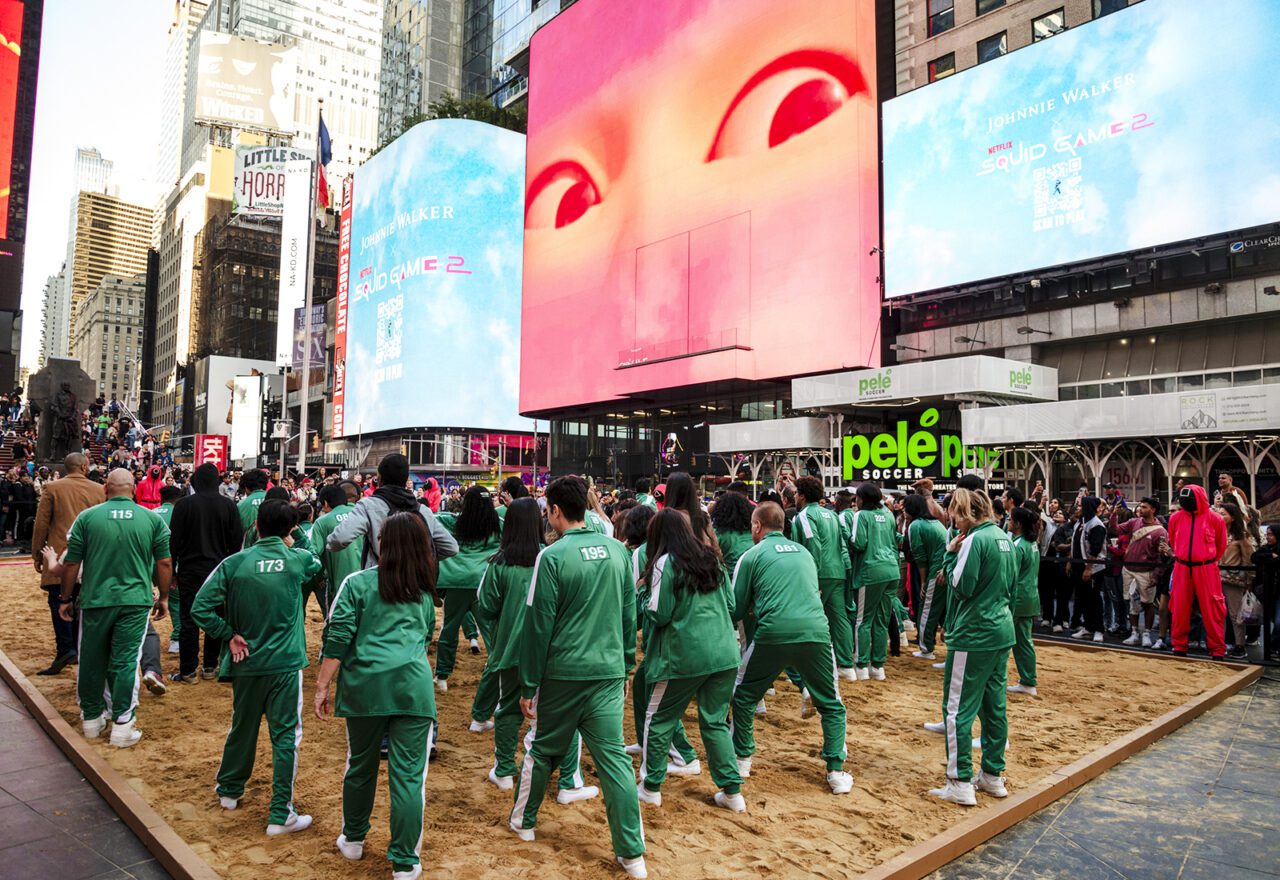
Netflix didn’t invent green and red jumpsuits.
What they understood is how people actually experience brands online. Squid Game did not spread just because it was a good movie but because it was instantly recognizable in a soundbite, clips, games, etc.
Barbie became unavoidable, long before the film’s release because it showed up everywhere people already were, search, social, fashion, memes, without ever feeling off‑brand.
None of that happened by accident. That’s digital branding. It is what happens when a brand understands culture well enough to participate in it, timing well enough to move quickly, and systems well enough to stay consistent. Instead of forcing attention, the brand fits naturally into the moments people are already engaging with.
In this article we’d explore how you can move from “posting content” to building a digital brand.
First, let’s go back in time…
The Shift: From Visual Identity to Digital Behavior
In the past, brands were experienced in controlled environments, billboards, TV spots, and print ads. You could control every pixel. Today, brands are encountered in fragments: a 15-second clip, a comment thread, a user review, a dark-mode interface, or a third-party meme. You cannot control the environment, so you must control your behavior, that is, how you show up.
A strong digital brand identity acts as a compass. It ensures that whether you are replying to a complaint on X (Twitter) or launching a high-gloss campaign on YouTube, the “soul” of the brand remains intact.
According to McKinsey, consistent brand presentation across all platforms can increase revenue by up to 23%. It is important to note that consistency isn’t about repetition; it’s about coherence.
How do you achieve this coherence and subsequently revenue increase? This is a roadmap:
Phase 1: The Strategy (Defining the Core)

Everything starts with a plan. Before you post, you need a rulebook but not the old-school “Brand Bible” that sits in a drawer. You need a digital brand strategy designed for speed. This includes;
- A Voice
Most brands sound like press releases. To win online, you need a human voice.
- Define your baselines: Are you helpful or entertaining? Authoritative or peer-like?
- Define your “Flex”: How does that voice change when you are apologetic versus when you are celebratory?
Take a quick test: If you covered up your logo and username, would a follower still know this post was written by you? If the answer is no, your voice is too generic. You can tell or at least guess a Duolingo tweet before seeing the owl. That’s what I mean.
Secondly, you need:
- A Visual System
(I’m thinking we should put Adessi Logo here)
A logo isn’t enough. You have possibly heard this a lot of times that it’s starting to sound cliche but it’s the truth. You need a visual language that survives the internet. Ask yourself these questions:
- Does your branding work as a 16×16 pixel favicon? Does it work on a vertical phone screen?
- How does your brand move? Are your transitions sharp and fast, or slow and fluid?
In a video-first world, motion is as important as color. Thirdly, you need;
- Platform Intentionality
Stop trying to be everywhere. An online brand strategy is about choosing your battlegrounds.
- LinkedIn is for credibility and employer branding.
- TikTok/Reels is for cultural participation and reach.
- Email is for retention and owned audiences.
Pick two to master. Ignore the rest until you have the resources to win there.
After mapping out your strategies, you need to execute (quickly, so that you can fail and learn quickly).
Phase 2: The Execution (Campaigns and Conversations)
This happens in two gears: The Macro (Campaigns) and The Micro (Online Conversations)
The Macro: Experiential Campaigns
A campaign might be a product launch, a social series, a collaboration, an activation, or even just how you respond during a culturally charged week. The point is, this is where digital branding either works or falls apart.
Good campaigns don’t just communicate a message. They create an experience and experiences are what people remember.
Take Barbie for example…Barbie’s return in 2023 wasn’t driven by a single campaign. Months before the movie launched, the brand showed up across social in very intentional ways:
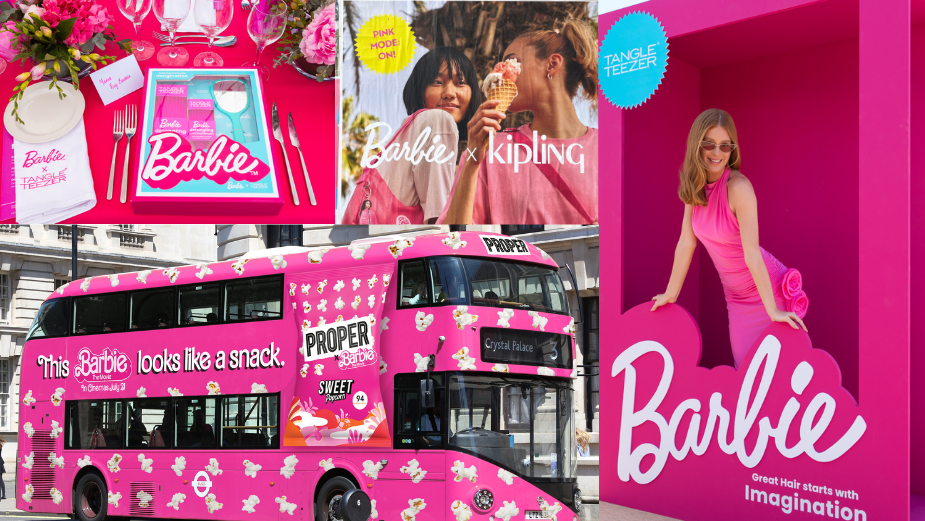
- Barbie‑themed Airbnb stays
• A pink takeover of Google search results
• Collaborations across fashion, gaming, and lifestyle
• Social content that matched the tone of each platform without losing its core identity
Individually, none of these moments would have mattered much. Together, they created something remarkable.
What made it work was a clearly defined digital brand identity. Barbie didn’t adapt its personality to each platform, it expressed the same idea in different ways.
You might not have the marketing budget of the makers of Barbie that’s why another form to give your users an experience is personalization. The annual Spotify Wrapped is a good example.
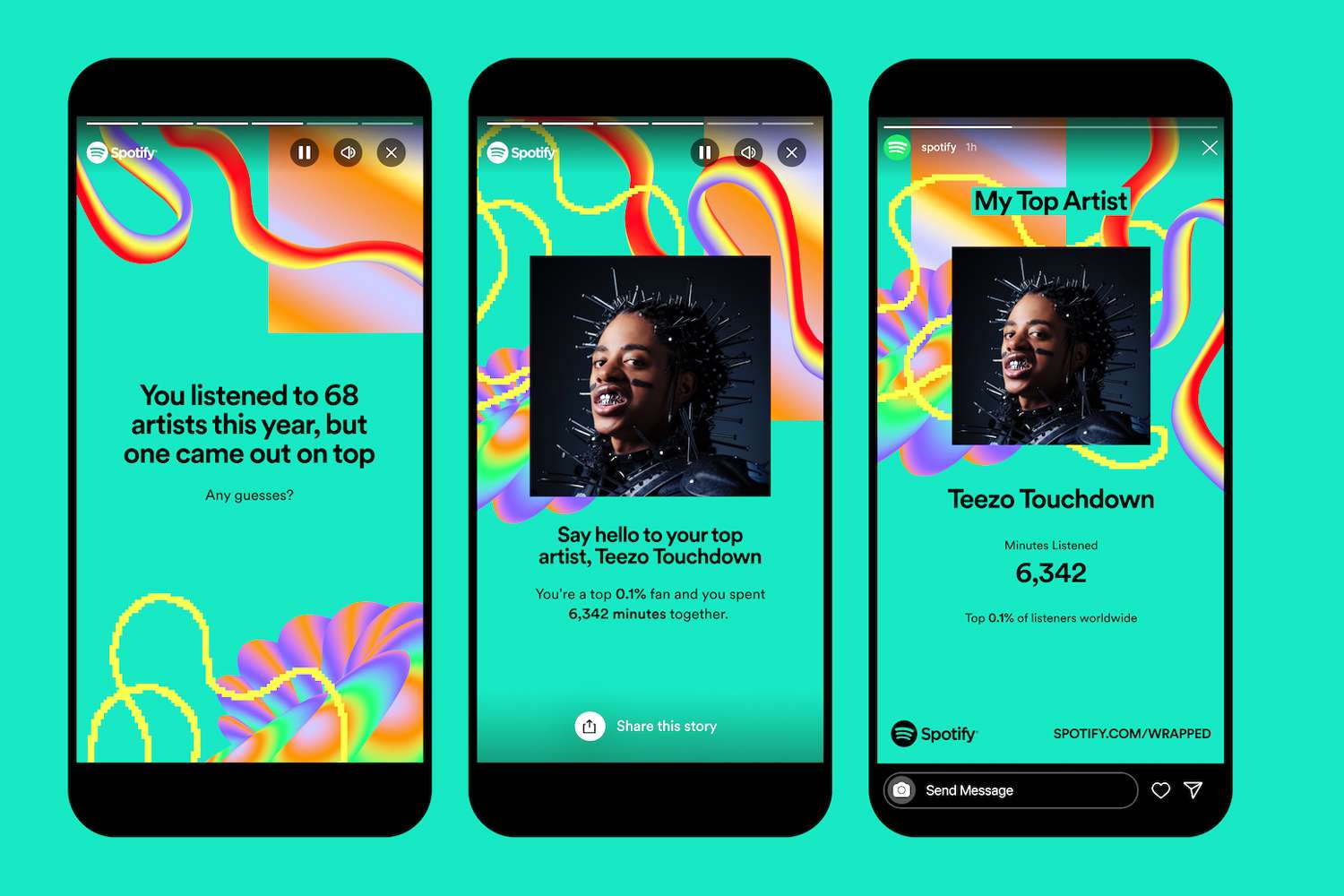
It isn’t an ad, it’s a personalized data story that users want to share. It turns the user into the hero and the brand into the facilitator. So you can ask yourself
- What data or utility can you package for your users? Can you create a calculator, a quiz, or a personalized report? Marketing that provides utility beats marketing that provides doesn’t.
The Micro: Keep Conversations Alive…
This is where 90% of brands miss it. Don’t post and ghost. Your comment section is not an afterthought; it is a primary branding channel. Treat every comment as a micro-conversion.
If someone leaves a thoughtful comment, reply with a question. Keep the thread alive. If someone trolls you, use your defined “Flex” voice to handle it with grace (or wit, if that fits your brand). Algorithms prioritize content with active discussion and replies drive reach. So pls no ghosting here.Lol, once you’ve mastered this, it’s time to scale!
Phase 3: The Systems (How to Scale)
You cannot build a digital brand if you are bottlenecked by approvals. You need digital brand systems. Your social media manager cannot ask for permission for every Tweet. You have to create categories of approval workflow, this is what I mean.
- Green Light (No Approval Needed): Community management, trending audio uses, FAQs, standard product posts.
- Yellow Light (Review Needed): New campaign assets, partnerships, sensitive topics.
- Red Light (Executive Sign-off): Crisis communications, legal statements.
Some things are more important than some, don’t be rigid about everything.
- Your Asset Hub
Centralize everything. Use tools like Air, Notion, or specialized DAMs (Digital Asset Management).
If your team has to email a designer every time to get the “white version of the logo,” your system is broken. Speed is a competitive advantage in digital branding.
3. Measure What Matters
Stop obsessing over “Likes.” Track things like Brand Health, that is:
- Share of Voice: How much of the conversation in your industry is about you?
- Sentiment: Are mentions positive or negative?
- Search Volume: Are more people searching for your brand name on Google? This is the ultimate proof that your branding is working.
In conclusion,
You don’t need to be Netflix to do this. You just need to stop viewing digital as a broadcast channel and start treating it as a living ecosystem. Build the strategy, install the systems, and show up like a human.
Frequently Asked Questions
What is the difference between digital branding and digital marketing?
Digital marketing is the tactic of getting leads (SEO, PPC, ads). Digital branding is the strategy of building reputation and recognition. Marketing asks for the sale; branding builds the trust that makes the sale possible.
How often should I update my digital brand strategy?
Your core identity (values, mission) should rarely change. However, your execution strategy (platforms, content formats, cultural trends) should be reviewed quarterly. The internet moves too fast for annual planning to be effective.
Do I need to be on every social media platform?
Absolutely not. In fact, trying to be everywhere usually dilutes your brand impact. It is far better to have a dominant, high-quality presence on one or two platforms where your actual customers hang out than a graveyard of inactive accounts on five platforms.
Ready To Win?
Digital branding is the difference between being seen and being remembered. Beyond designing logos at Adessi (cause we do), we build the infrastructure for brands to succeed in a fragmented digital world.
If you are tired of shouting into the void, it’s time to build a brand that speaks for itself. Explore how Adessi builds digital brands that last and send a message.