

Strategic Narratives vs Messaging: Why Positioning Comes First
In 2009, Gap decided it was time for a glow-up. They scrapped their iconic logo, the one customers had recognized for over 20 years and replaced it with something that looked like it was designed in a free trial of Microsoft Word.
The internet lost it and within six days, Gap reversed the decision entirely.
Was the new logo that bad? Honestly, debatable. But that wasn’t really the problem.
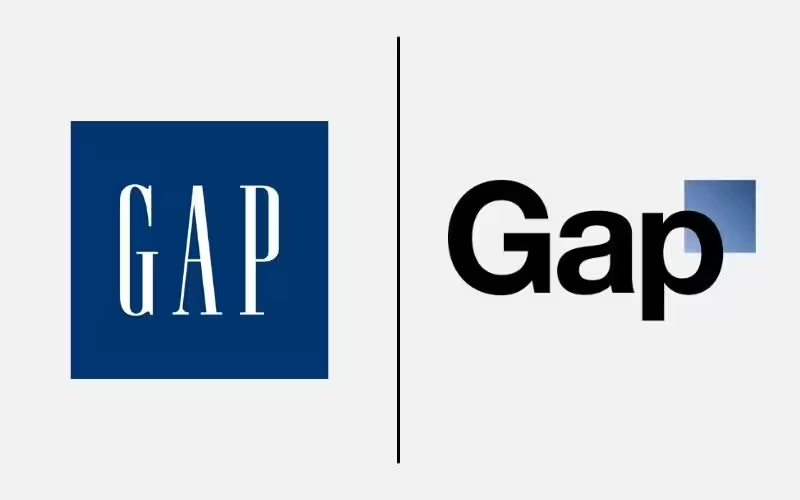
The problem was that nobody could explain what the new look was supposed to mean. There was no story behind it. No positioning it was anchored to. Just a new font and a blue square, dropped into the world without context.
Gap isn’t alone in this. Tropicana pulled a similar move the same year, redesigned their packaging without narrative context and lost $30 million in sales in two months, and quietly brought the old design back.
Both brands had to learn this the hard way: messaging and aesthetics are not the first thing you should figure out. Before a tagline or a logo refresh, you need a strategic narrative underneath it.
According to Lucidpress, consistent brand presentation increases revenue by up to 23%. But you can’t be consistent without something to be consistent about.
That’s where strategic narratives come in and that’s exactly what we’re unpacking here.
What’s the Difference?
These three terms strategic narrative, brand positioning, and messaging get used interchangeably in a lot of marketing conversations. They really shouldn’t be.
Here’s a simple way to think about them:
- Strategic narratives answer why. Why does your brand exist? What change are you trying to create? Where does your customer fit in that story?
We explored more of this here, Brand Storytelling: How Strategic Narratives Build Brands People Trust
- Brand positioning answers where. Where do you sit in the market? Who are you for? What do you offer that competitors don’t and why does that matter to the specific people you’re trying to reach?
- Messaging answers how. How do you express all of that in language? Taglines, headlines, website copy, email subject lines.
The relationship only works in one direction: narrative → positioning → messaging.
Why Messaging Without Narrative Falls

Emotionally connected customers are more than twice valuable as highly satisfied customers and emotional connection is built by true relatable stories. Which is why the biggest mistake you’d make is to jump straight into messaging.
Let’s say you sell B2B project management software.
You do the hard work and uncover a great narrative: “Modern work is chaotic, and people deserve peace of mind.”
So you decide to jump straight to messaging, your website headline becomes: “Achieve peace of mind in the modern workplace.”
Your customer reads that and thinks: “Are you selling a meditation app? Therapy?”
This is why Positioning must come first. Positioning takes that lofty narrative and grounds it in a competitive reality.
Before writing the copy, you figure out your position: “We are the anti-complex project tool specifically designed for small creative agencies who hate corporate dashboards.”
Now, look at how easy the messaging becomes: “Spend less time updating tickets and more time designing. The only project tool built for creatives, not accountants.”
Boom. You just sold software.
The Cost of Skipping Straight to Copy

When you don’t have clear brand positioning, you force your messaging to do all the heavy lifting and messaging cannot bear that weight.
A professor at Harvard Business School, Clayton Christensen once found out, over 30,000 new products are launched every year, and 95% of them fail because there was no need for them. Positioning gives this distinction.
So instead of telling your team to A/B test another set of Facebook ad headlines, pause. Ask yourself: Do we actually know what our position is? Have we drawn a line in the sand about who we are for and what makes us distinctly different? Or are we just hoping a clever copywriter can mask the fact that we look exactly like our competitors?
Frequently Asked Questions
- Is brand positioning the same as a value proposition?
No. A value proposition explains the benefit of your product, while brand positioning defines your unique place in the market relative to competitors.
- Does brand positioning affect marketing strategy?
Yes. Positioning influences everything from messaging and campaigns to pricing strategy and target audience.
- Can small businesses benefit from strategic narratives?
Absolutely. Strategic narratives help small brands differentiate themselves and build trust even without large marketing budgets.
If you’re tired of marketing that sounds like everyone else, it’s time to define your turf.
At Adessi, helps you build the foundation of your brand through strategy and identity formation. Explore our Brand strategy and identity service today or book a clarity call session to figure out where you belong in the market.