

Brand Culture vs Pop Culture: Why Your Brand Needs More Than Trends

From websites to packaging, we design experiences that are beautiful and functional.

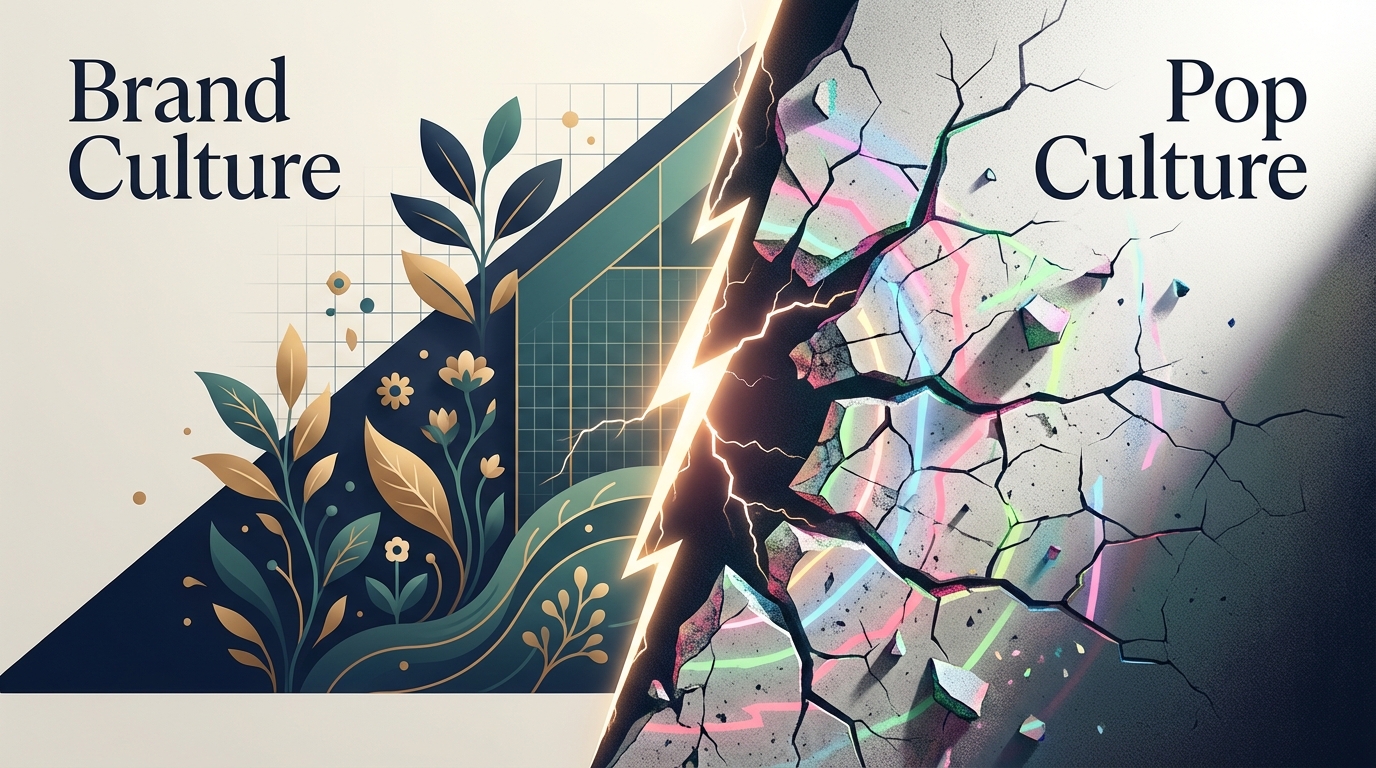
Brand culture vs pop culture comparison visual supporting why sustainable brand identity outlasts short-term trends.

Brand Culture vs Pop Culture: Why Your Brand Needs More Than Trends

Remember when every brand tried to sound like Duolingo on TikTok? Chaotic. Unhinged. A slightly menacing owl mascot making thirst traps and threatening users who skip their Spanish lessons. For about a year, your timeline was full of brands trying to replicate that viral energy.


Most of them failed.


A few got temporary engagement spikes, then faded back into obscurity. And Duolingo? They’re still thriving because that chaotic personality was never just a trend for them, it was an extension of their brand culture.

This happened because brands mistook pop culture for brand culture. They saw what was getting attention and copied it without asking whether it fit who they were or what their customers actually needed from them.


Pop culture is seductive. It’s visible, viral, and validates that you’re “relevant.” But chasing it without understanding the difference between momentary trends and lasting brand identity is how you end up looking inconsistent and forgettable.


Let’s break down the difference, why brand culture creates more sustainable value, and how to leverage pop culture without losing your brand soul in the process.

What Is Brand Culture?

Brand culture is the consistent set of values, behaviors, visual identity, and voice that defines how your brand shows up in the world. It’s what people expect from you. It’s the promise you keep every time someone interacts with your product, content, or customer service.


According to a recent research by Salesforce, 72% of consumers say trust in companies has decreased from a year ago, and that trust is more important than ever given advances in AI and technology.


Brand culture answers questions like:

– What do we stand for?

– How do we talk to people?

– What experience do we consistently deliver?

– What won’t we compromise on?


An example of a strong brand culture is Apple. Simplicity, premium design, and user experience define everything they do. They don’t chase trends, they set them.

Team high-fiving during a brand strategy session, illustrating how strong brand culture builds trust, alignment, and consistent customer experience beyond short-term pop culture trends.

What Is Pop Culture?

Pop culture is the collection of trends, memes, conversations, and cultural moments that dominate public attention at any given time. It’s TikTok sounds. It’s “very demure, very mindful.” It’s the Barbie movie discourse. It’s whatever everyone’s talking about right now.

It reflects current desires, frustrations, humor, and yearnings. It’s powerful because it taps into collective emotion and provides instant relatability.

This is the truth though;  pop culture is inherently unstable. What’s viral today is forgotten next week. Trends on social platforms typically last 3-5 days. Brands that build their identity around chasing these moments are constantly rebuilding from scratch.

1. Brand Culture Builds Trust, Pop Culture Borrows Attention 

When your brand has a clear culture, customers know what to expect. Nike consistently champions athletes and the mindset of pushing limits. Whether they’re running Super Bowl ads or posting on Instagram, the culture is recognizable. That consistency builds trust.

Pop culture can get you attention, but attention without trust doesn’t convert. A viral post might get 100,000 views, but if it doesn’t align with your brand culture, those viewers won’t become customers because they don’t understand who you actually are. 87% of shoppers are willing to pay more for brands they trust. 

  1. Brand Culture Creates Longevity, Pop Culture Creates Momentary Engagement

Brands like Coca-Cola, Nike, and Disney have survived decades because their culture transcends trends. They use pop culture strategically, partnering with artists, sponsoring events, tapping into cultural moments but their core identity remains intact.

Brands that pivot their entire identity with every new trend look unstable. One month they’re minimalist and calm. The next they’re edgy and chaotic. Customers don’t know what the brand stands for, so they don’t feel connected to it.

  1. Brand Culture Guides Decisions, Pop Culture Can Create Distraction

When you have strong brand culture, marketing decisions become clearer:

– Should we participate in this trend? Does it align with our values and voice?

– Should we partner with this influencer? Do they reflect our culture?

– Should we launch on this new platform? Is our audience there, and can we show up authentically?

Without that foundation, you’re making reactive decisions based on FOMO. You’re spending a budget on trends that don’t fit, creating content that feels off-brand, and potentially confusing your audience.

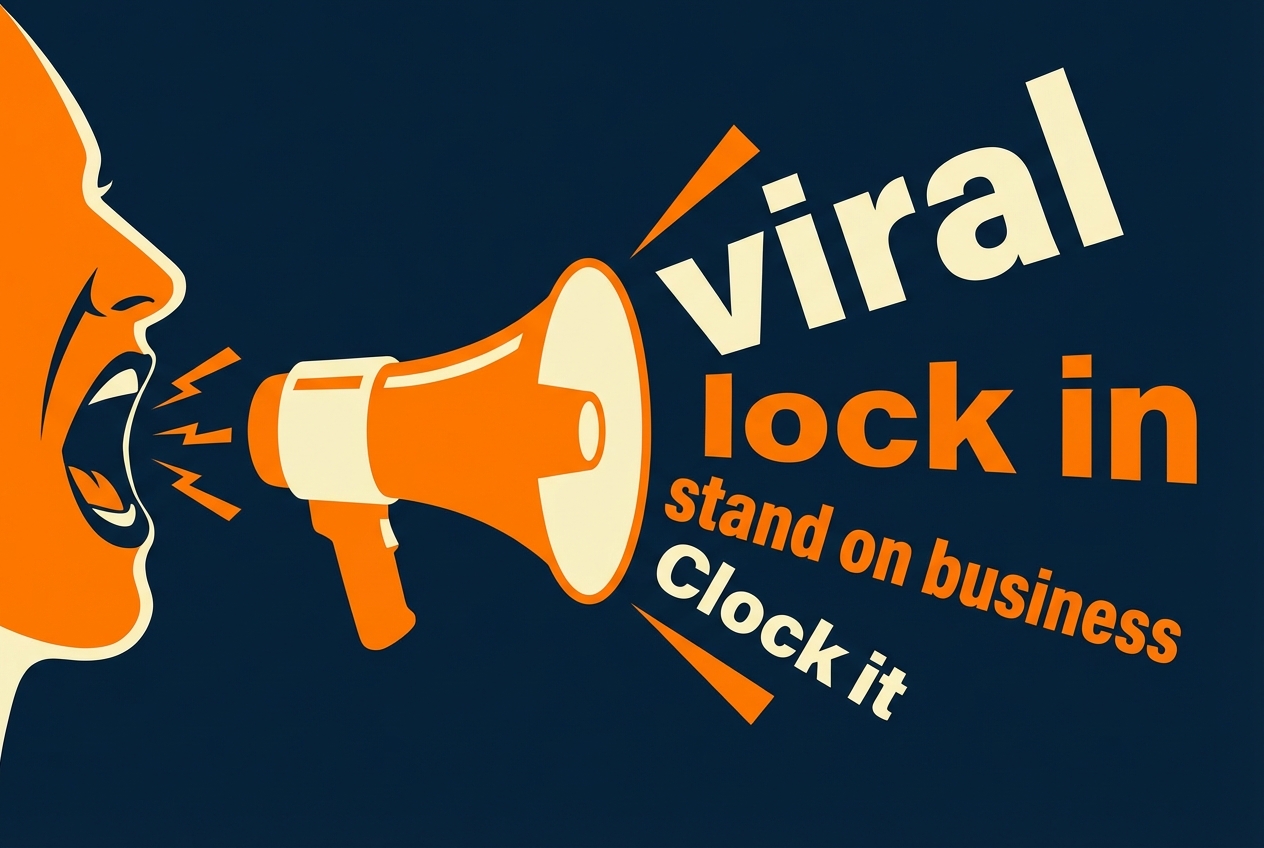
Trend and “viral” concept graphic for blog discussing why pop culture moments need brand strategy to convert attention.

Use Pop Culture to Amplify Brand Culture

  1. Learn Underlying Desires, Don’t Just Copy Trends


Pop culture reveals what people care about right now. If a sound or meme is going viral, ask why. What emotion is it tapping into? What need is it addressing?


Action step: Track patterns over time, not just individual trends. If multiple trends point to the same underlying desire (authenticity, simplicity, community), that’s a signal your brand can respond to in a way that aligns with your culture.


  1. Participate Only When It Fits Your Voice


Duolingo’s unhinged TikTok presence works because their brand culture has always been playful and slightly absurd. When they make their owl mascot create chaotic content or joke about holding users accountable, it feels on-brand.


If your brand is professional, serious, or premium, forcing yourself into chaotic TikTok humor won’t land. Your audience will feel the disconnect.


Action step: Before jumping on a trend, ask:

– Does this align with our brand voice?

– Will our audience find this relevant or confusing?

– Can we add our unique perspective, or are we just copying?

  1. Use Pop Culture to Start Conversations, Not Replace Your Message


The best use of pop culture is as an entry point into deeper brand conversations.


Example: When Netflix released Squid Game, brands across industries used the aesthetic and themes in their content. But the ones that succeeded connected it back to their brand message. A financial literacy brand used it to talk about debt. A leadership consultant used it to discuss workplace dynamics.


They weren’t just saying “Hey, we watched Squid Game too!” They were using a shared cultural reference to communicate something meaningful about their brand.


Action step: Treat pop culture as a conversation starter, not the entire conversation. The trend gets people’s attention. Your brand culture gives them a reason to stay.


  1. Build Brand Culture That Can Adapt Without Breaking


Strong brand culture isn’t rigid. It’s flexible within clear boundaries.


Nike’s culture is about athletic excellence and pushing limits. How they express that has evolved from “Just Do It” campaigns in the ’90s to partnering with Colin Kaepernick. The culture stayed consistent. The expression adapted.


Action step: Define your non-negotiables (values, mission, voice foundations) and your flex points (tone shifts, platform strategies, creative formats). That way, you can respond to cultural moments without losing your identity.

Use Pop Culture as A Fuel, Not Foundation

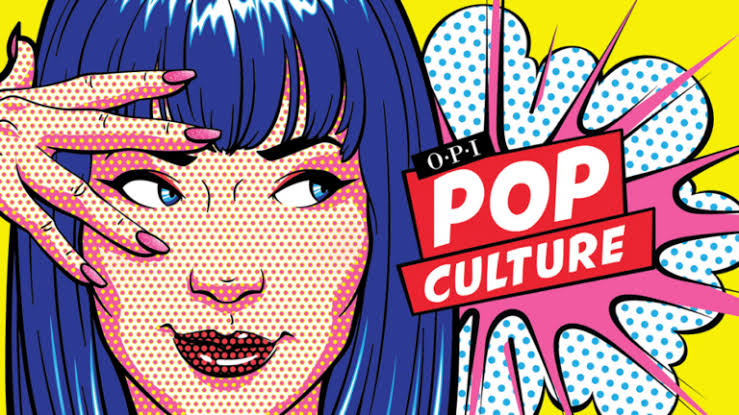
Pop culture visual represent balancing trend relevance with a consistent brand identity and values.

Pop culture helps you stay visible, relevant, and connected to the cultural conversation. But it’s not the foundation of your brand. That’s your culture, your values, voice, and the consistent experience you deliver.

Brands that ignore culture entirely risk becoming irrelevant. The sweet spot is using pop culture strategically to reinforce the culture you’ve already built.
Most Importantly, Build a Brand People Believe In

Pop culture will keep changing. New platforms will emerge. New memes will go viral. New trends will dominate feeds before disappearing.

But the brands that last, the ones people trust, recommend, and stay loyal to are the ones with a culture that transcends those moments.

So yes, use pop culture. Learn from it. Participate when it makes sense. But never let it replace the deeper work of building a brand that stands for something real.

Your brand culture is your foundation. Pop culture is the weather. Build something strong enough to weather every storm, and you’ll still be here long after the trends have moved on.

At Adessi, we build new brands and give them a definitive voice in the market.


Visit our portfolio section to see transgenerational brands we’ve solidified and contact us if you’d like us to do same for you.

Recent Posts

Popular Keyword

Cart (0 items)
Close

Our approach is straightforward— prioritizing functionality, speed, and clarity for solutions.

Creative that flexes from playful to polished.
Select the fields to be shown. Others will be hidden. Drag and drop to rearrange the order.
  • Image
  • SKU
  • Rating
  • Price
  • Stock
  • Availability
  • Add to cart
  • Description
  • Content
  • Weight
  • Dimensions
  • Additional information
Click outside to hide the comparison bar
Compare