
Aligning Brand and Performance Marketing
If you have ever sat in a marketing department meeting, you have probably witnessed a Cold War. On one side of the table is the brand team. They want to talk about emotional resonance, storytelling, and long-term equity. On the other side is the performance media team. They want to talk about click-through rates, ROAS (Return on Ad Spend), and immediate conversions. Usually, they operate in completely different silos, with different budgets, reporting to different goals.
However, treating brand and performance marketing as opposing forces is the fastest way to waste your marketing budget. Brand marketing without performance is just a story without effect.. Performance marketing without brand is a race to the bottom on pricing and customer acquisition costs (CAC).
To win in today’s crowded digital landscape, you don’t need to choose between them. You need brand and performance marketing alignment.
Here is why true marketing integration is the secret to scaling, and how you can actually get your teams to row in the same direction.
The Problem with Performance-Only Marketing

Over the last decade, the ability to track every single click created an obsession with short-term metrics. Brands poured their entire budgets into performance marketing. You put $1 in, you get $3 back but eventually, the performance engine hits a ceiling.
When you only run direct-response ads to people who are actively ready to buy right now, you exhaust your audience. Worse, because algorithms rely on bidding, you end up paying increasingly higher prices for those clicks.
Airbnb learned this the hard way. In 2019, they were spending heavily on performance marketing. But in 2021, CEO Brian Chesky made headlines by announcing a massive pivot: they slashed performance marketing spend, shifted their budget into brand building, and saw their overall traffic stay exactly the same while significantly improving their profitability. Why? Because when people know, like, and trust your brand, they don’t need a perfectly targeted Facebook ad to remind them to search for you.
How Brand Marketing Lowers Your CAC
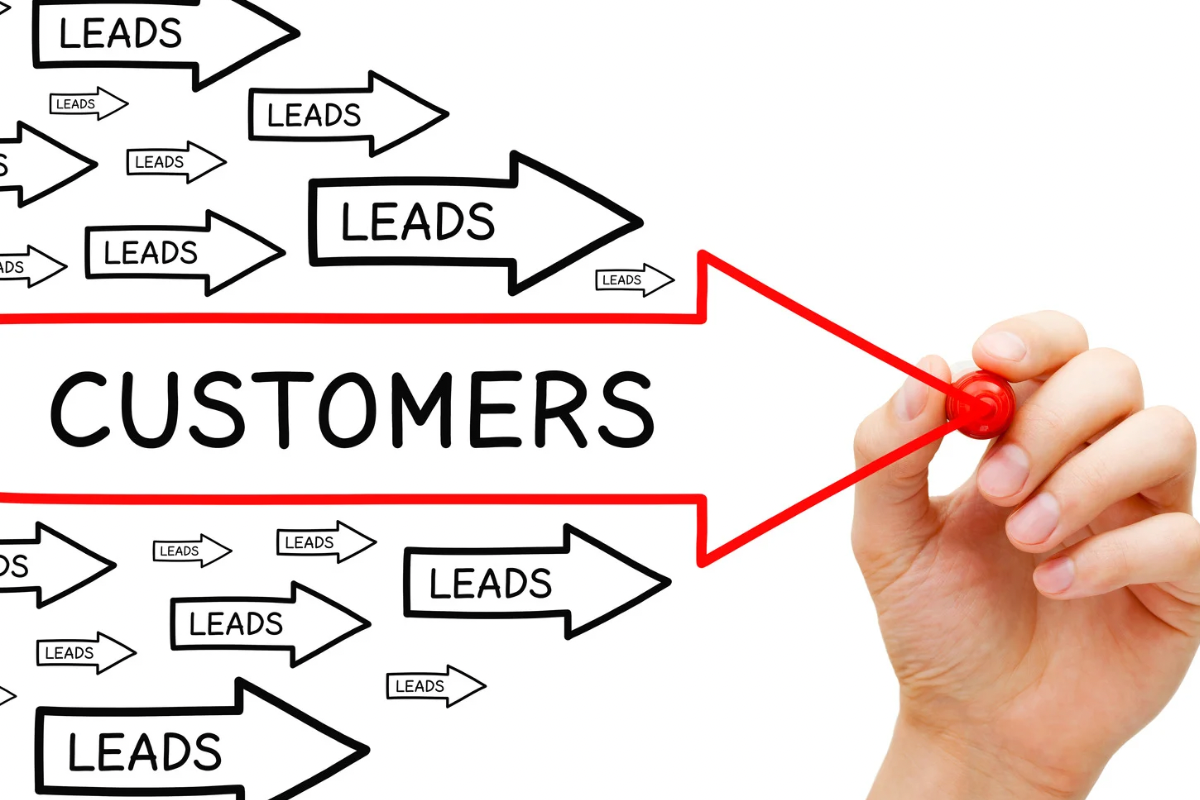
We outlined this core concept in the article Brand Marketing Strategy: Connecting Insight, Message and Growth: performance marketing can win the short-term, but brand is what makes performance efficient long-term.
Think of it this way: Brand marketing creates the memory. Performance marketing captures the demand. If a potential customer sees your highly-targeted Google Search Ad, but they have never heard of your brand, they have no reason to trust you over the competitor sitting right below you. But if your brand has been telling a consistent, strategic story for months, that same person sees your ad and thinks, “Oh, I know them.”
That instant recognition reduces hesitation. It increases your conversion rates and ultimately, it makes every dollar you spend on performance marketing work harder.
According to the famous marketing research by Les Binet and Peter Field for the IPA (Institute of Practitioners in Advertising), the optimal balance for maximum business growth is typically a 60/40 split—60% of budget dedicated to long-term brand building, and 40% to short-term sales activation.
3 Steps to Achieve Marketing Integration

Achieving brand and performance marketing alignment isn’t just about sharing a budget. It is about sharing a system. Here is how to fix the disconnect.
1. Unify the Message
The biggest symptom of a misaligned team is when a brand’s homepage promises a premium, highly strategic solution, but their Facebook ads are flashing a neon “50% OFF FLASH SALE” banner.
Your performance ads must echo your core brand positioning.
The insights you gather to build your brand strategy should be the exact same insights your copywriters use for ad hooks. If you need help finding that shared language, our guide on Turning Customer Data into clear messaging shows you exactly how to bridge that gap.
2. Design for the “Non-Click”
Most people who see your performance ads will not click on them. If your ad is purely designed for the 1% who click, you are wasting the impression on the 99% who scroll past. Marketing integration means designing direct-response ads that still act as brand deposits. Even if a user doesn’t click today, the colors, tone of voice, and core message should reinforce your brand identity so they remember you tomorrow. We talk more about the power of these micro-interactions in Digital Touchpoints as Brand Signals.
3. Blend Your Metrics
Stop judging brand campaigns by how many direct sales they generated yesterday. Stop judging performance campaigns without looking at overall brand search volume.
Instead of isolating metrics, look at your “blended CAC”, the total marketing spend divided by the total number of new customers. When brand and performance are aligned, your individual channel metrics might fluctuate, but your overall blended cost to acquire a customer will go down.
Want to Start Scaling?
The most successful companies don’t debate brand vs performance marketing. They use brands to build the runway, and performance to land the plane.
When you achieve brand and performance marketing alignment, your marketing stops feeling like a disjointed series of expensive tactics. Instead, it becomes a single, highly efficient growth engine.
Is your marketing team pulling in opposite directions?
At Adessi, we help companies build strategies that connect deep brand positioning with ruthless market execution. Explore our Brand strategy services and let’s give your brand a competitive advantage.